
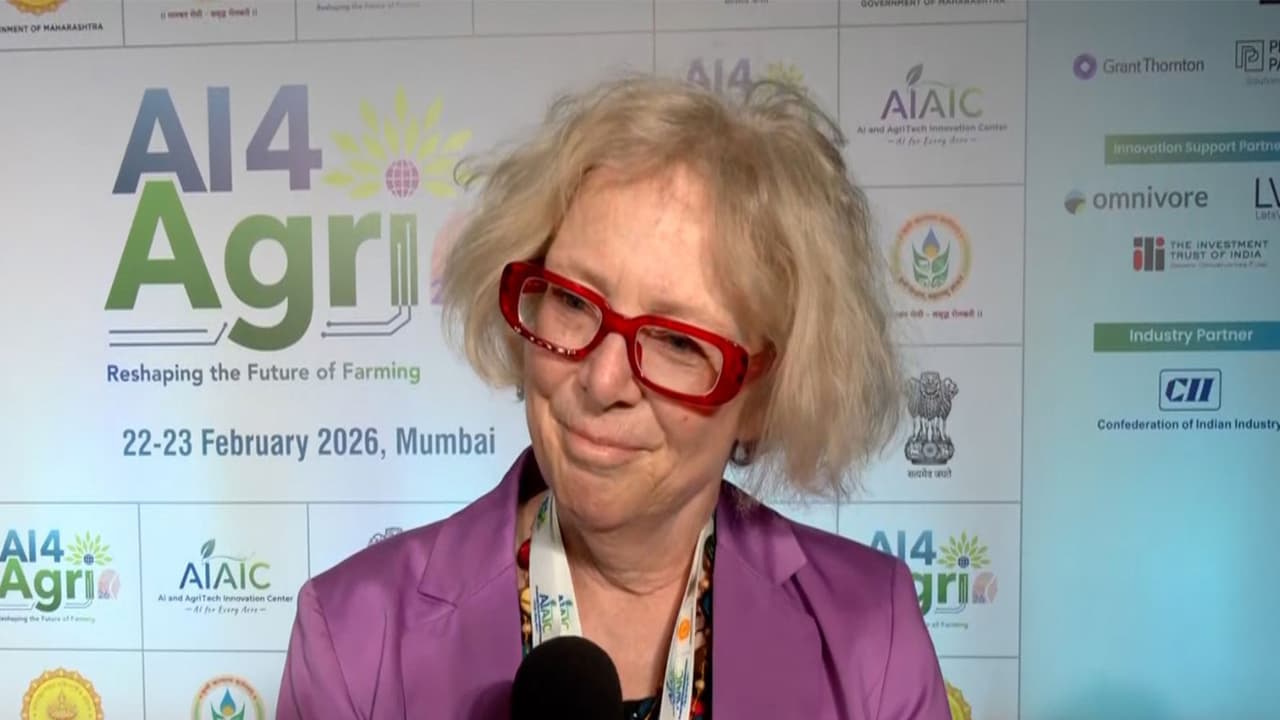
India and the Netherlands are partnering to use AI in agriculture, leveraging satellite and field data to predict crop threats and boost productivity. The collaboration aims to make farming more sustainable and connect small farmers to markets for fair pricing.
Following the signing of a Memorandum of Understanding (MOU), Marion van Schaik, Agriculture Counsellor to the Kingdom of the Netherlands in India, detailed how the two nations are leveraging Artificial Intelligence to revolutionise the lives of farmers. According to Van Schaik, the collaboration is moving beyond traditional methods through integrated data. By combining satellite imagery with real-time field data, AI systems can now predict localised threats before they devastate yields.

Harnessing AI for Predictive Agriculture
"AI, already in use for years, will increasingly be applied in agriculture. This includes gathering data from satellites and combining it with field data to predict plant diseases, thereby increasing productivity and reducing costs," van Schaik stated. On the sidelines of the AI 4 Agri 2026 summit, she emphasised that these technologies do more than just grow more food; they make farming more sustainable by allowing for targeted interventions, such as using "fewer pesticides."
Bridging the Gap: AI in Market Logistics
Beyond the field, the Indo-Dutch partnership is tackling the economic barriers faced by small and marginal farmers. The integration of AI into market logistics is expected to bridge the gap between rural producers and urban demand. "AI can also link farmers with markets, speed up negotiations, and better match supply and demand for produce," van Schaik explained. By automating price discovery and streamlining negotiations, the technology aims to ensure that farmers receive a fair share of the value chain while reducing food waste through better logistics.
Future-Proofing Crops Through AI-Driven Research
The collaboration also leans heavily on academic excellence, with the renowned Wageningen University and Research leading research efforts. The focus is shifting toward "future-proofing" crops against the volatile weather patterns seen in both Europe and South Asia. Van Schaik noted that AI is the primary catalyst for this research, stating, "Research institutions like Wageningen University will focus on breeding new crop varieties adapted to climate change, which AI can facilitate." This digital-first approach to breeding allows scientists to simulate thousands of climate scenarios, significantly shortening the time required to develop resilient seeds. (ANI)
(Except for the headline, this story has not been edited by Asianet Newsable English staff and is published from a syndicated feed.)