
India is rapidly upgrading its ship recycling sector to meet European environmental standards, backed by strong government support. The move aims to attract European vessels, strengthen the maritime industry, and position India as a global leader.
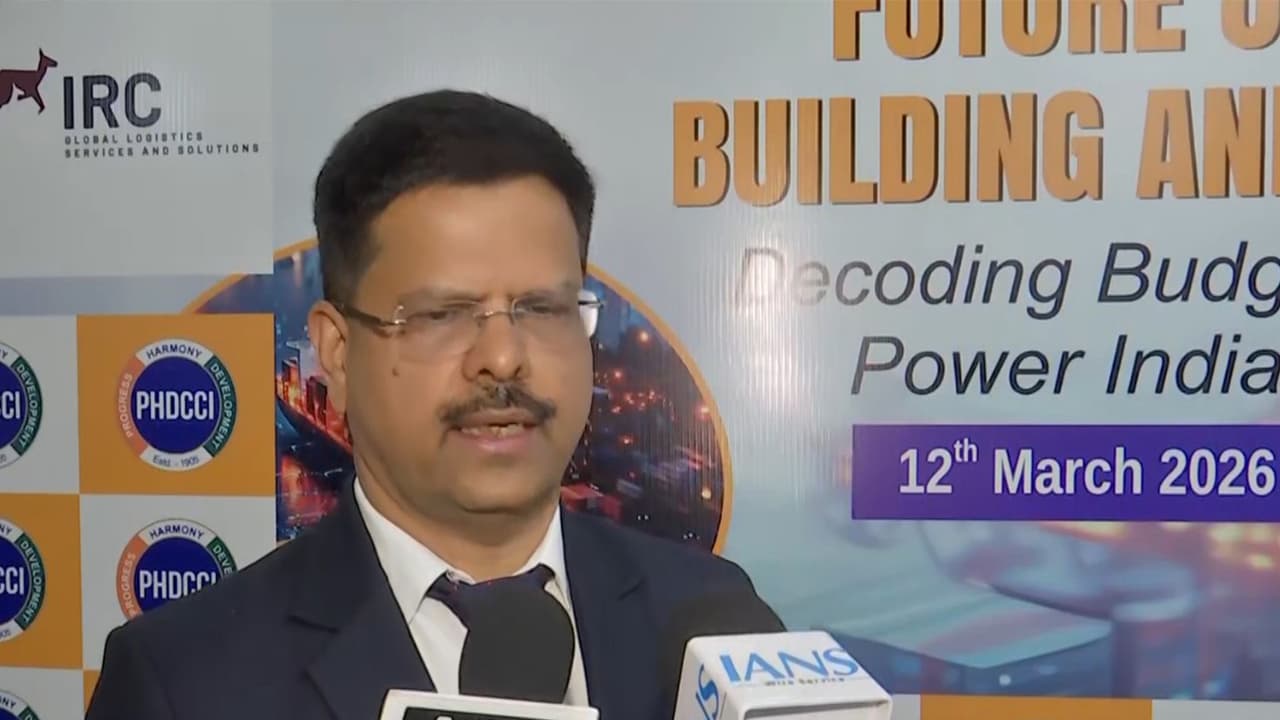
India is rapidly expanding its ship recycling sector and upgrading shipbreaking yards to meet European environmental standards, as part of a broader effort to strengthen its maritime industry and reduce logistics costs, according to Sushant Kumar Purohit, Chairperson of VO Chidambaranar Port Authority in Tamil Nadu's Thoothukudi.

Upgrading Yards to European Standards
"Ship recycling is happening in Gujarat now, and it is currently one of the largest globally. However, European shipowners cannot send their vessels to India or Bangladesh unless the yards comply with European standards. That is why more shipbreaking yards are being upgraded to be Euro-compliant," Purohit said.
The official said that "There is strong government support, and within the next three to five years, many more yards will meet European standards. Green operations are now the central focus across the maritime sector." Purhoit on Thursday addressed a roundtable conference on "Future of India's Shipbuilding and Ship Recycling: Decoding Budget Announcements to Power India's Maritime Future" organised by the PHD Chamber of Commerce and Industry.
Bolstering Shipbuilding with Budgetary Support
India's maritime ambitions are backed by recent budget allocations, including a ₹25,000 crore Maritime Development Fund and incentives for shipbuilding capacity development, research and innovation, and skill-building. Shipbuilding currently accounts for just 0.06 per cent of global capacity, but officials hope budget support will attract private players and encourage India to emerge as a major shipbuilding hub.
Thoothukudi Port: A Green Maritime Centre
The Thoothukudi or the Tuticorin port, a strategic southern hub, is emerging as a green and energy-efficient maritime centre. Purohit noted the port benefits from all-weather operations, minimal dredging costs, abundant land, proximity to major transport links, and renewable energy. The port is powered entirely by solar and other renewable sources, with an additional megawatt of green power being added to make operations carbon-neutral.
Expanding Inland Waterways and Coastal Shipping
The government is also expanding inland waterways and coastal shipping, supporting vessel construction for river transport, and promoting cruise tourism along India's eastern and southern coasts. Recent initiatives include a world-class cruise terminal in Mumbai and plans for river cruise tourism, expected to increase passenger and cargo movement while reducing logistics costs.
Driving Growth with Technology and Sustainability
Stressing the role of technology and sustainability, Puohit said, "In the port sector, we are adopting a three-pronged approach--efficient cargo handling, green initiatives and pollution control, and AI and IT interventions to make operations user-friendly and reduce costs."
Ship recycling also contributes to a circular economy. Secondary steel recovered from recycled ships can be converted to primary steel, supporting carbon credit mechanisms, carbon capture, utilisation, and storage (CCUS), and green compliance. Expanding recycling capacity in southern and eastern ports will also generate regional employment and industrial development.
Port Development and Regional Impact
The Tuticorin port is also converting terminals to women-run operations, improving inclusivity, while handling 10 per cent annual container cargo growth, with current capacity expanded from 1.2 million TEUs to 8 million TEUs in February 2026. Planned projects like the Outer Harbour expansion are expected to add 4 million TEU capacity in three years, reducing construction time and costs.
"India's shipbuilding, ship repair, and recycling ecosystem is evolving rapidly. With government support, green energy, and international compliance, we are well-positioned to become a global maritime leader," Purohit said. (ANI)
(Except for the headline, this story has not been edited by Asianet Newsable English staff and is published from a syndicated feed.)