
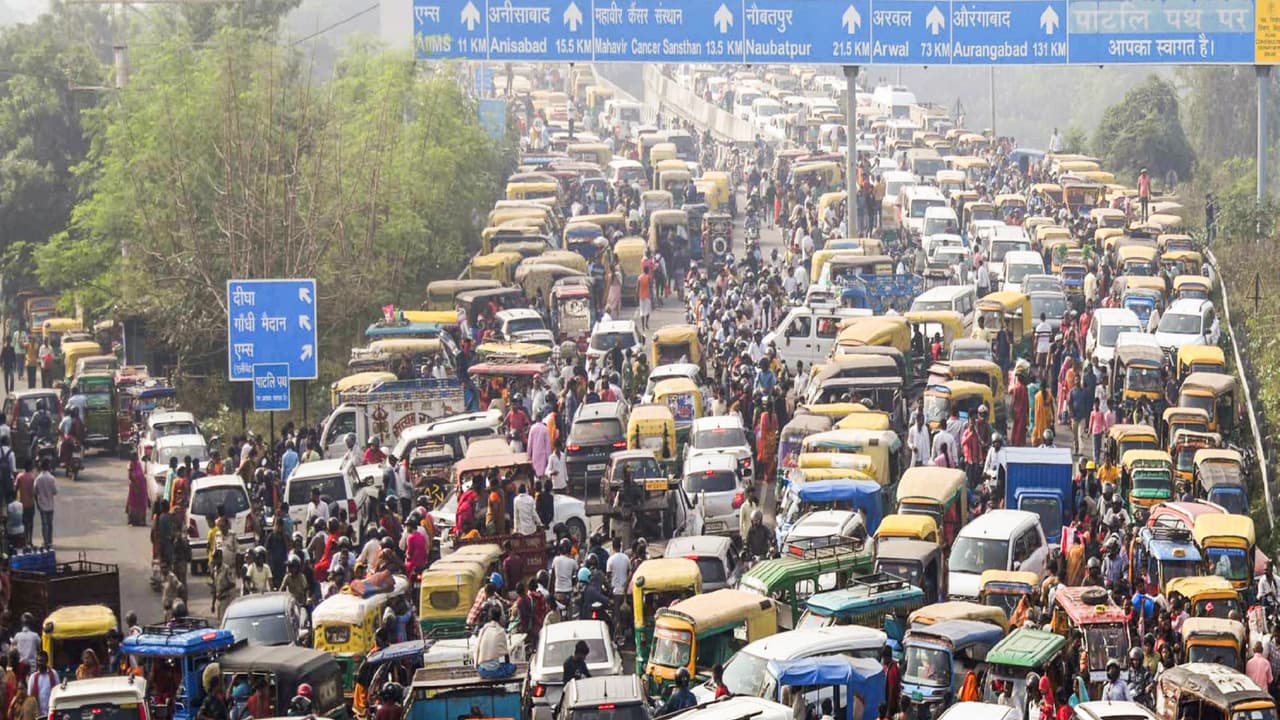
The shutdown of the Strait of Hormuz threatens India's auto sector with a critical shortage of technical grade urea, essential for diesel exhaust fluid. This could immobilize BSVI commercial vehicles, crippling the country's logistics network.
The effective shutdown of the Strait of Hormuz poses a severe threat to the Indian automobile sector, specifically endangering cargo movement due to a looming shortage of technical grade urea. A DAM Capital report noted that the maritime disruption compromises the supply of essential chemicals and raw materials, potentially bringing the country's logistics network to a standstill. The crisis centres on India's heavy reliance on imports for its automotive emissions control systems, which are now facing an immediate bottleneck.

The Diesel Exhaust Fluid (DEF) Crisis
According to the report, India currently imports 50-60 per cent of its technical grade urea (TGU) requirements from major trade hubs in Egypt and Dubai. This specific grade of urea is a critical component in the production of diesel exhaust fluid (DEF). In modern vehicles, DEF is injected into the exhaust stream of diesel engines equipped with selective catalytic reduction (SCR) systems to convert harmful nitrogen oxides into nitrogen and water.
The report noted that all BSVI-compliant heavy-duty trucks and buses, along with large diesel passenger vehicles with engines typically over 2.0L, feature a mandatory engine interlock mechanism. Under this safety regulation, a "vehicle cannot operate if DEF levels are exhausted." The industry is now facing a countdown to potential immobilisation.
As per the report, the Society of Indian Automobile Manufacturers (SIAM) has formally engaged with the authorities regarding the depleting reserves. The report highlighted that SIAM has raised concerns with the government that "there is no clear visibility of urea supplies beyond early Apr'26." While DEF is stored in a separate tank and requires refilling less frequently, usually every three to four diesel fill-ups, the total lack of replenishment options creates a terminal risk for transport operators.
Cascading Effects on National Economy
The report warned that a continued disruption in DEF availability could lead to the "immobilization of a significant portion of the commercial diesel fleet." Such a mass grounding would have cascading effects on the national economy, "disrupting logistics operations, the movement of essential goods, and overall supply chains."
Supply Chain Vulnerabilities Beyond Urea
Impact on Tyre Manufacturing
Beyond the immediate urea crisis, the report identifies secondary vulnerabilities in the tyre manufacturing sector. Rising crude oil prices are placing immense pressure on domestic manufacturers, as "crude oil derivatives like synthetic rubber, carbon black and various chemicals together constitute 40-45% of the RM mix."
Adding to these is the rising cost of natural rubber, which accounts for approximately 30 per cent of the raw material cost, driven by inflationary pressures and logistics hurdles. The report cautioned that "if these conditions persist longer, it could significantly impact the margins of tyre companies."
Threat to Forging and Casting Sector
Furthermore, auto component manufacturers involved in forging and casting are identified as "highly vulnerable to gas supply disruptions due to their dependence on gas-fired furnaces for heating processes." Such energy disruptions threaten the production of critical engine, transmission, and suspension parts. While the report suggests the near-term impact is manageable, it emphasizes that "prolonged disruptions could have a significant effect on the automotive supply chain." (ANI)
(Except for the headline, this story has not been edited by Asianet Newsable English staff and is published from a syndicated feed.)