
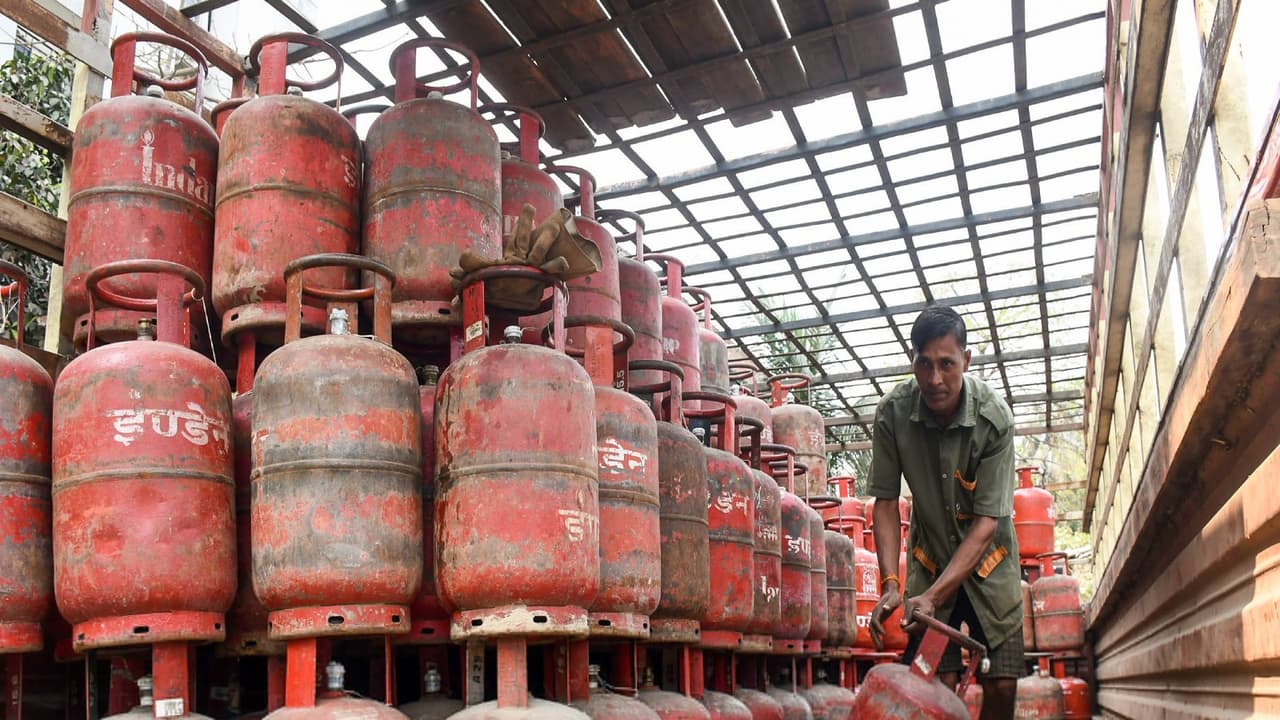
The Centre invoked the Essential Commodities Act to manage fuel supplies amid the West Asia crisis. Refineries will maximize LPG production and gas is prioritised for homes/vehicles, with other sectors facing supply caps to ensure energy security.
Amidst growing pressure on global fuel supplies due to the ongoing West Asia conflict, the Union Government on Tuesday invoked the Essential Commodities Act (EC Act) to safeguard the domestic energy market.

According to the Petroleum Ministry, the government has issued a control order directing refineries and petrochemical units to maximize the production of liquefied petroleum gas (LPG) and divert key hydrocarbon streams to the LPG pool to ensure an uninterrupted supply of cooking gas across the country.
New Gas Distribution Mandate
The Petroleum Ministry stated that the invocation of the Act has established a clear priority list for natural gas distribution to manage current supply constraints.
Supply Caps for Industrial Sectors
Under this new mandate, there is a 100% assured supply of domestic piped gas for homes and CNG for vehicles. Other sectors will face calibrated supply caps based on their previous six-month average consumption. Specifically, the tea industry, manufacturing units, and industrial consumers connected through the natural gas grid will receive 80% of their average supply. Similarly, industrial and commercial natural gas consumers are also capped at 80% of their previous six-month average. Fertilizer plants have been allocated 70% of their previous six-month average supply as the government rebalances resources.
Managing Supply and Diversification
To facilitate this redirection, the Petroleum Ministry confirmed a 35% cut in natural gas supply from refineries and petrochemical plants. These measures come as India, which typically sources 30% of its natural gas via the Strait of Hormuz, navigates the logistical challenges posed by the regional conflict. To offset the current short supply, the Ministry noted that India is actively purchasing natural gas through alternative trade routes to maintain national energy security.
Furthermore, for issues of LPG for restaurants, automobiles and other sectors, the Ministry of Petroleum has constituted a committee which will examine their requirements and try to provide some volumes to them. The government prioritised domestic LPG supply to households to ensure energy security for citizens amidst the ongoing uncertainty in the global oil and energy market due to West Asia crisis.
"In light of current geopolitical disruptions to fuel supply and constraints on supply of LPG, Ministry has issued orders to oil refineries for higher LPG production and using such extra production for domestic LPG use," the Ministry of Petroleum and Natural Gas announced on X.
Consumer-Facing Measures to Prevent Hoarding
To manage the current supply environment, the ministry introduced a 25-day inter-booking period for consumers to avoid hoarding and prevent black marketing. (ANI)
(Except for the headline, this story has not been edited by Asianet Newsable English staff and is published from a syndicated feed.)