
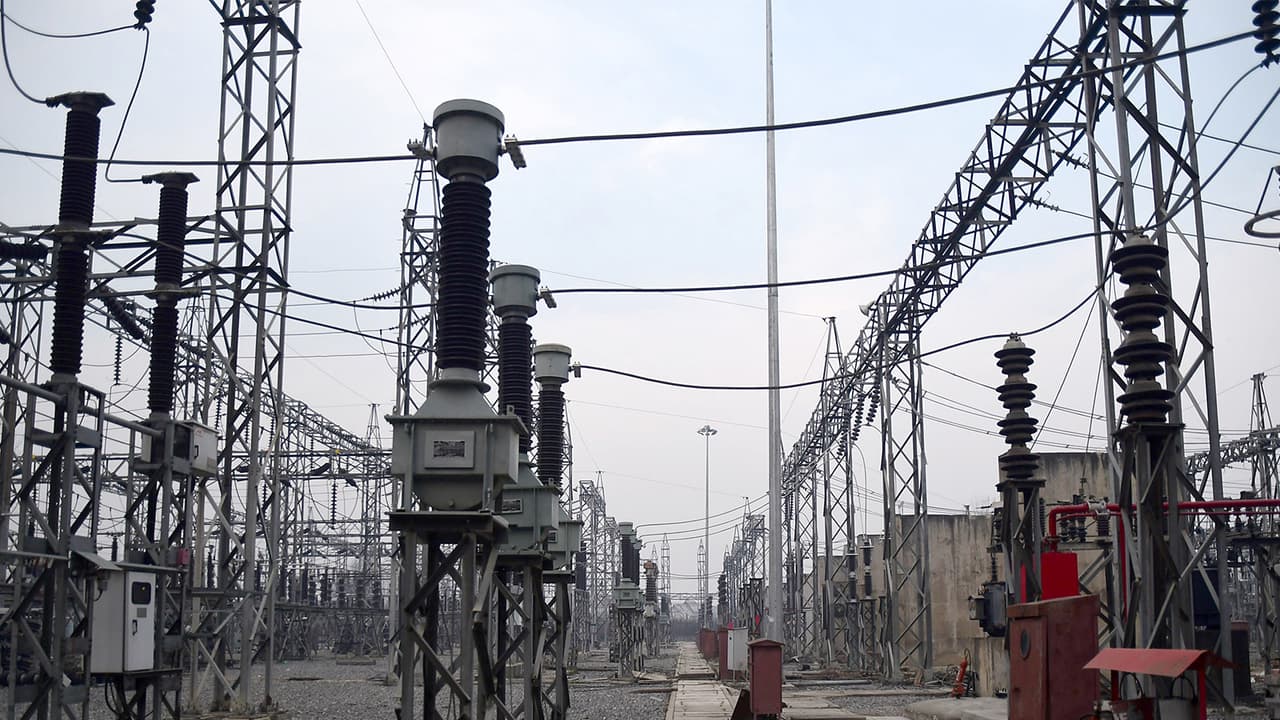
An ISI Markets report warns that a global oil shock will likely increase electricity costs in India. It highlights the direct link between rising fossil fuel prices, like crude oil and coal, and higher power tariffs for households and industries.
An oil shock triggered by global supply disruptions is likely to result in higher electricity costs in India, according to a report by ISI Markets, which highlighted the strong link between fossil fuel prices and power tariffs in the country.

The report noted that electricity prices in India have historically followed movements in fossil fuel prices such as crude oil and coal. As oil prices rise due to supply shocks, including disruptions in key global routes, the impact is expected to be passed on to electricity costs for both households and industries. It stated, "Households and corporates - especially in industry - will have to contend with rising electricity price resulted from supply shock".
Link Between Fossil Fuels and Power Tariffs
It stated that countries shifting towards coal as a fallback option in times of oil disruption could further push up coal prices. It added that coal remains a dominant source of energy in India, accounting for about 70 per cent of total power generation, which makes electricity tariffs sensitive to changes in coal prices.
The report also pointed out that global energy price volatility, especially in crude oil, directly affects India's electricity pricing trends. Historical data show that spikes in crude oil and coal prices have often been accompanied by increases in electricity tariffs.
Shift Towards Renewable Energy
At the same time, the report highlighted that renewable energy is emerging as a key pathway for India to ensure long-term energy security and reduce dependence on imported fossil fuels.
India has been rapidly adopting renewable energy sources to meet rising energy demand and reduce exposure to global price shocks. As per report data, since 2017, renewable energy has dominated new energy installations in India, contributing a significant share to newly added capacity. This reflects a structural shift in the country's energy mix towards cleaner sources such as solar and wind.
Utilisation Challenges Persist
However, the report cautioned that while renewable capacity addition has been strong, actual power generation from renewables remains lower than what capacity levels might suggest. This indicates challenges in fully utilising installed renewable capacity.
India's push towards renewables is aimed at reducing reliance on fossil fuels, improving energy security, and stabilising long-term electricity costs. The report suggested that continued expansion of renewable energy, along with improvements in efficiency and utilisation, will be critical in managing future energy price shocks. (ANI)
(Except for the headline, this story has not been edited by Asianet Newsable English staff and is published from a syndicated feed.)