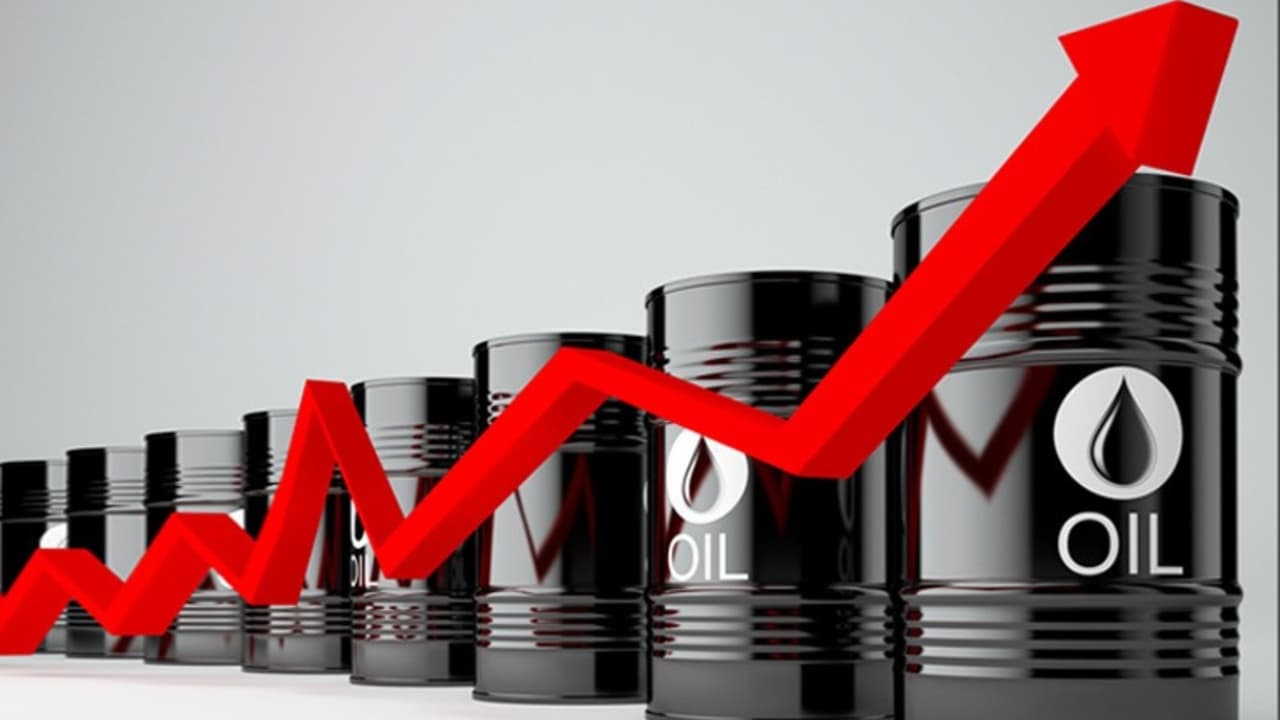
Oil prices surged close to $100/barrel as doubts over a fragile Middle East ceasefire grew and Hormuz remained restricted. Stocks fell across Europe and Asia as investors turned cautious. The European Union rejected Iran’s idea to charge ships in the Strait of Hormuz, stressing that international law guarantees free navigation without tolls.
Global markets turned unstable on Thursday as doubts grew over a fragile Middle East ceasefire. Oil prices jumped sharply, while stock markets across the world moved lower. The main concern was whether the ceasefire between the United States and Iran would hold. At the same time, the Strait of Hormuz remained largely blocked, adding to fears about energy supply.

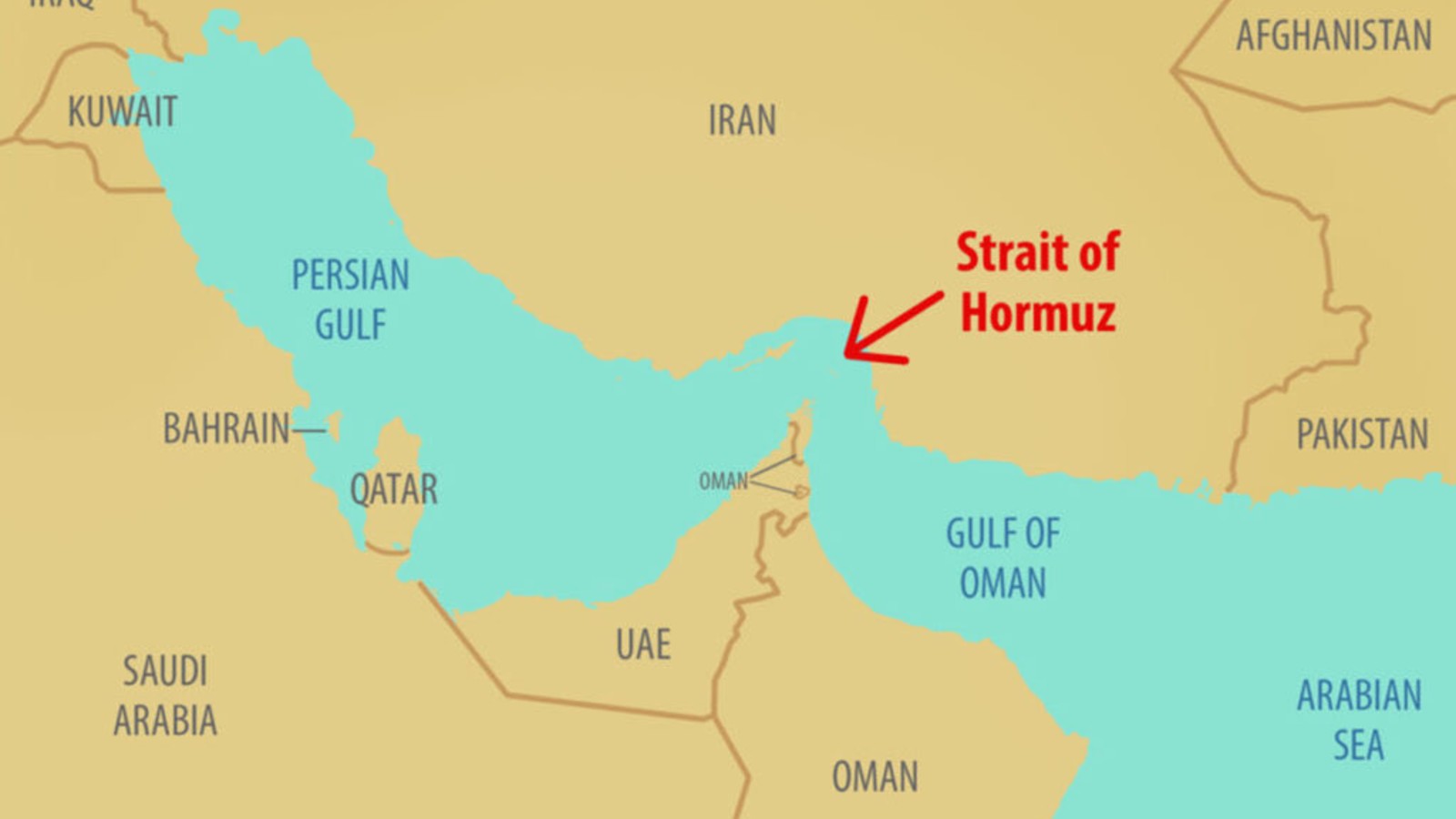
This narrow route handles nearly one-fifth of the world’s oil and gas trade. Any disruption here quickly affects global prices.
Oil prices rise again
The biggest movement was seen in oil markets. The US benchmark, West Texas Intermediate, jumped around five percent, nearing $100 per barrel.
Related Articles

The global benchmark, Brent Crude, also rose by about four percent, reaching close to $99 a barrel.
Just a day earlier, oil prices had dropped sharply after the ceasefire announcement. Crude had fallen nearly 15 percent to around $95 a barrel. But fresh tensions reversed that trend quickly.
Experts say prices may remain unstable. Aarin Chiekrie from Hargreaves Lansdown told AFP that oil will stay 'elevated and choppy' until a long-term agreement is reached.
Why the ceasefire is under doubt
The ceasefire announced by Donald Trump was meant to pause fighting for two weeks. Iran had also said it would reopen the Strait of Hormuz.
However, the situation became unclear soon after. Israel continued its attacks on Iran-backed Hezbollah in Lebanon. Reports said more than 200 people were killed in a wave of strikes.
There were also mixed signals from leaders. The US said the ceasefire did not cover fighting in Lebanon, while Israel made it clear it would continue its operations.
Hezbollah later said it fired rockets towards Israel in response. This raised fears that the conflict could expand again.
Impact on global stock markets
Stock markets around the world reacted negatively. Investors moved away from risky assets due to uncertainty.
In Europe, major indices fell. London’s FTSE 100 dropped 0.3 percent, Paris’ CAC 40 fell 0.9 percent, and Germany’s DAX declined 1.3 percent.
Asian markets also closed lower. Tokyo’s Nikkei fell 0.7 percent, Hong Kong’s Hang Seng dropped 0.5 percent, and Shanghai’s Composite index declined 0.7 percent.
These falls came after strong gains the previous day, showing how quickly market mood can change.
Currency markets and safe-haven moves
The US dollar gained strength as investors looked for safer options. This is a common reaction during global uncertainty.
The euro and pound saw small changes against the dollar, while the Japanese yen weakened slightly. Such currency moves reflect shifting investor confidence.
Damage to energy supply and infrastructure
Experts warned that even if the ceasefire holds, the impact will last. Anthony Kettle from RBC BlueBay Asset Management said it will take time for energy exports to return to normal.
He also noted that some key energy infrastructure has been damaged during the conflict. This could keep supply tight and prices high.
The war began on February 28 and has already affected production and global markets.
Limited movement through Hormuz
Despite Iran’s statement that the strait would reopen, traffic remained very low. Only a few ships passed through the waterway.
Iran’s Foreign Minister Abbas Araghchi said ships could pass during the ceasefire with coordination from Iran’s armed forces.
However, the limited movement shows that shipping companies are still cautious.
EU rejects Iran’s toll proposal
The European Union strongly rejected Iran’s idea of charging ships for passing through the Strait of Hormuz. A spokesman said international law guarantees free navigation without any tolls. He stressed that freedom of navigation is a “public good” that must be protected.
This response adds to growing global concern over any attempt to control or limit access to the vital route.
Impact on airlines and fuel supply
The conflict has also affected the aviation sector. Air France extended its suspension of flights to key Middle East destinations until May 3 due to security risks.
Fuel supply is another concern. International Air Transport Association chief Willie Walsh said it could take months for jet fuel supply and prices to return to normal.
This means airlines and passengers may face higher costs for some time.
Oil companies see mixed impact
Major energy companies are also feeling the effects. ExxonMobil reported a six percent drop in production due to war-related disruptions.
At the same time, Shell said higher oil prices would boost its profits, even though its production has also been affected.
This shows how the war is creating both risks and opportunities in the energy sector.
Political tensions and trade threats
The situation has also led to new political tensions. Donald Trump warned of possible 50 percent tariffs on countries supplying weapons to Iran.
At the same time, he said talks on tariffs and sanctions relief with Iran were ongoing. These mixed signals have added to uncertainty in global markets.
Long-term outlook remains unclear
Experts say the main factor driving markets now is the Middle East situation. While company earnings will matter in the long run, short-term movements depend on war developments.
With no clear end to the conflict, markets are expected to remain unstable. Oil prices, stock markets and global trade will continue to react to every new update.
(With AFP inputs)