
Cotton Mission 2.0 aims to enhance productivity and quality, enabling Indian farmers to leverage upcoming FTAs with the US, UK, and Europe. The industry is expanding, with SITRA and TEXPROCIL setting up traceability labs to meet global standards.
Cotton Mission 2.0 is set to transform the Indian textile landscape by boosting productivity and quality, ensuring that farmers reap the maximum benefits from upcoming Free Trade Agreements (FTAs).

Boosting Productivity for Global Trade
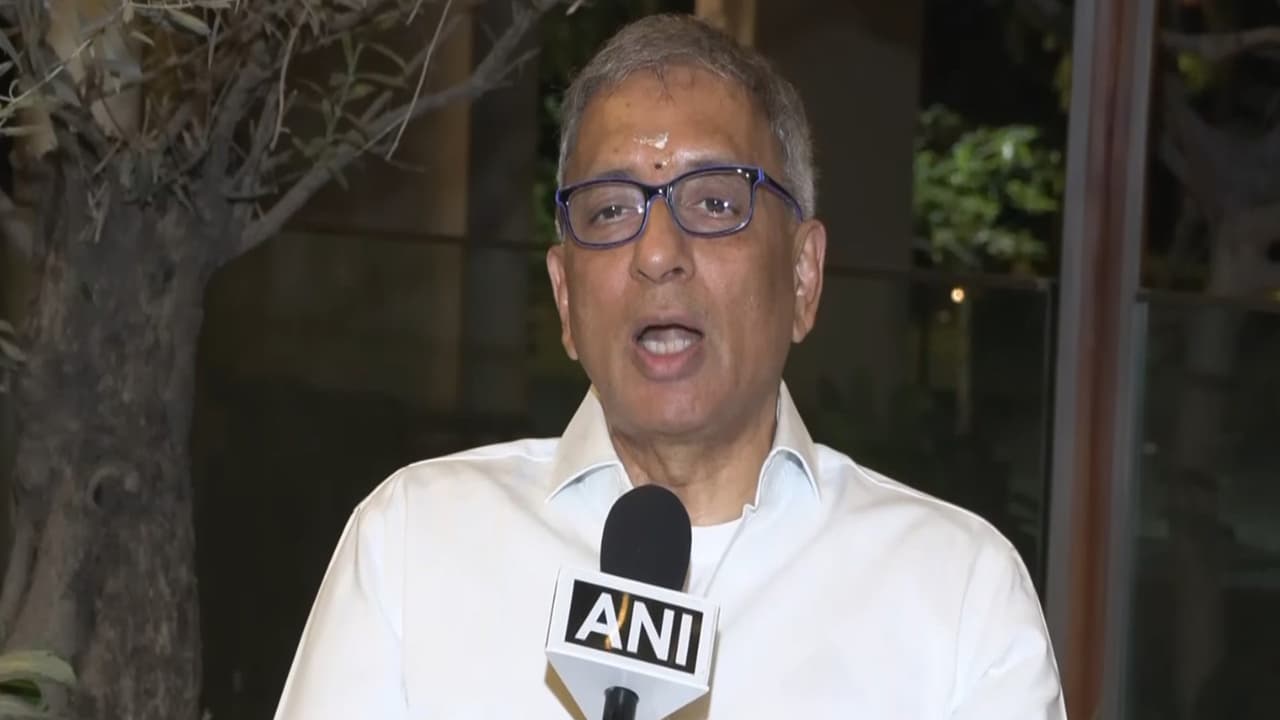
Ravi Sam, Vice Chairman of The Cotton Textiles Export Promotion Council (TEXPROCIL) and Chairman of the South India Textile Research Association (SITRA), stated that the government's initiative aligns perfectly with the opening of key international markets. "With the new cotton mission 2.0 announced by our government, I hope that we start having more productivity in cotton, better quality of our Indian cotton, so that the farmers are able to take the full benefit of these, of the FTA and the zero duty that we are going to get with US and UK and Europe," Sam said in an exclusive interview with ANI.
Industry Expansion and Job Growth
The industry is in a high-growth phase, aggressively pursuing expansion plans and exploring new markets in Europe, including the United Kingdom. According to Sam, the industry is moving past a year of consolidation and is now receiving direct inquiries from international customers. He noted that while many firms are currently in the product development stage, rising domestic consumption and export demand will drive a significant surge in production.
"Employment is going to increase in this area because most of us are going to double our production for exports. Both the employers, employees and also the farmers are going to benefit," Sam explained.
Ensuring Traceability for European Buyers
To meet the stringent accountability requirements of European buyers, SITRA and TEXPROCIL have already initiated the infrastructure for cotton traceability and certification. These labs will provide certificates of origin to ensure transparency in the manufacturing process, making Indian products fully compliant with international standards for zero-duty benefits.
"Both in SITRA and in TEXPROCIL, we've already started setting up labs for cotton traceability and also in TEXPROCIL for a certificate of origin that is that the product is made. So all these policies and procedures for all this have already started, so soon we will be fully ready to get a zero-duty and also whatever the European country requires in terms of accountability and traceability," Sam noted.
Competitive Edge Over Regional Neighbours
Addressing concerns regarding the zero per cent duty access granted to Bangladesh, Sam emphasised that India remains highly competitive due to its superior manufacturing scale and integrated spinning capacities. He believes removing prior trade restrictions on Indian products will enable the domestic industry to outpace its regional neighbours.
"We already have the scale, which Bangladesh might not have--the spinning capacities. We can grow faster than any other country in the region because of the various restrictions imposed on Indian products. Now it will be a very good time. We will be giving a run for the money for all our neighbouring countries," Sam stated. (ANI)
(Except for the headline, this story has not been edited by Asianet Newsable English staff and is published from a syndicated feed.)